
THE COLD TRUTH: Why the Most Popular Car in Kenya Is Also the Easiest Target for Odometer Fraud and CVT Failure
It is 11:15 PM on a Tuesday. You are sitting on the edge of your bed, phone screen glowing in the dark as you endlessly scroll through Jiji, Facebook Marketplace, and WhatsApp dealer groups. You've saved your hard-earned deposit, your bank or SACCO pre-approval is sitting in your inbox, and you've decided on the ultimate Kenyan starter car: The Toyota Vitz.
Every dealer on Ngong Road or Mombasa Road promises you the exact same fairytale in ALL CAPS: *"FRESH IMPORT, LADY OWNED, BUY AND DRIVE, ORIGINAL 55,000 KM GUARANTEED!"*
Then you step onto the yard and the nightmare begins:
- The 11 PM Odometer Lie: That clean 2016 Vitz showing 58,000 km on the cluster actually clocked 142,000 km in hard Tokyo stop-and-go traffic before being rolled back in Mombasa.
- The KSh 180,000 CVT Judder: You take a test drive, buy the car based on "clean paint vibes," only for the K312 CVT gearbox to shudder, whine, and slip 45 days later when heated up on the Museum Hill climb.
- The 1.0L Hill-Climb Surprise: You bought the 1.0L 1KR-FE engine thinking you'd save fuel, only to discover it burns *more* petrol than a 1.3L when climbing Limuru hills with 4 adults and the AC running full blast.
You didn't buy a reliable commuter. You bought someone else's uninspected mechanical problem at full retail price.
Stop guessing. Below is the definitive, data-backed buying guide for the Toyota Vitz in Kenya—so you can buy a clean, reliable unit without getting *kuchezwa*.
Why the Toyota Vitz Is Kenya's Favorite Starter Car
The Toyota Vitz is the undisputed king of starter cars for salaried commuters, young professionals, and ride-hail drivers across Nairobi and Mombasa.
However, high popularity makes the Vitz an easy target for odometer rollback, worn K312 CVT gearboxes, and collapsed hydraulic engine mounts.
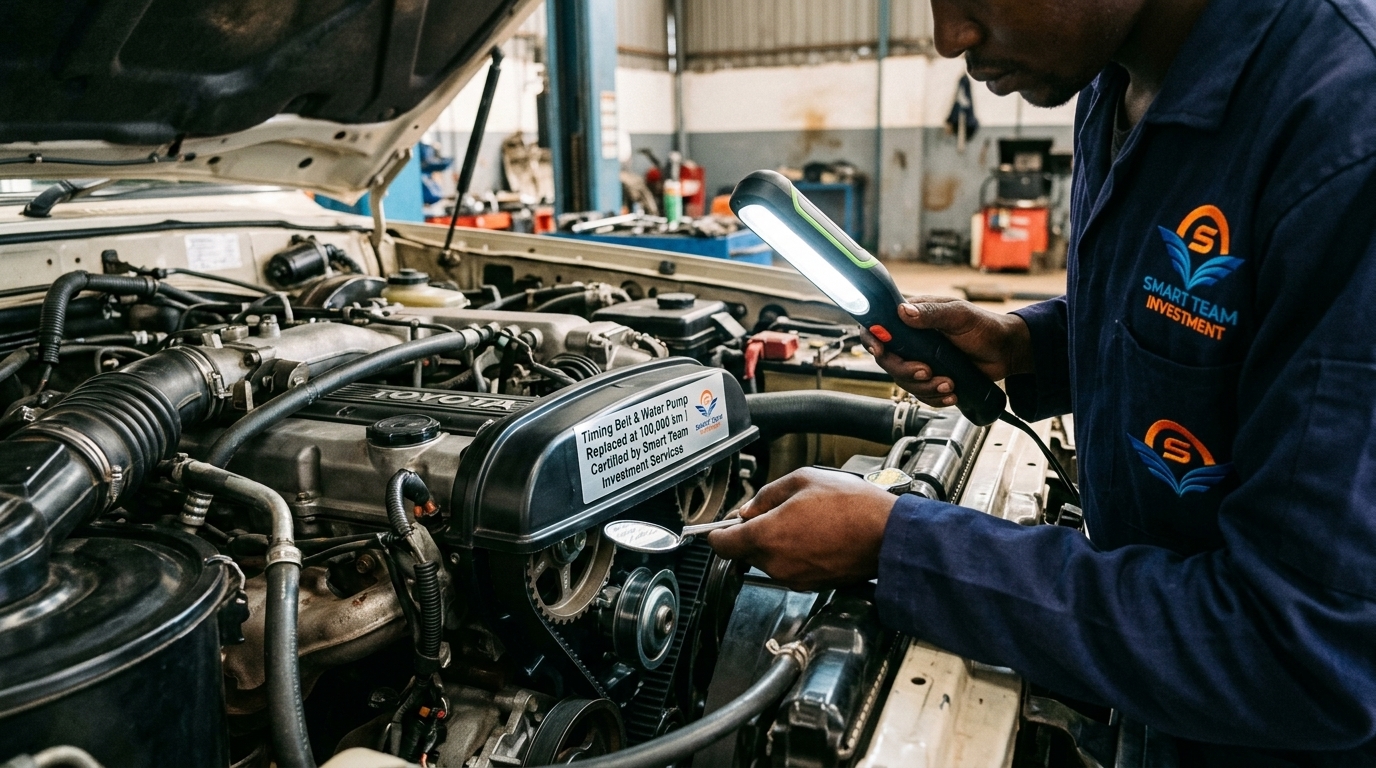
Engine Comparison: 1.0L (1KR-FE) vs. 1.3L (1NR-FE) vs. 1.5L Hybrid
| Engine Spec & Code | Real City Fuel Economy | Best Operating Condition | Primary Mechanical Risk |
|---|---|---|---|
| 1.0L 3-Cylinder (1KR-FE) | 18–22 km/L | Flat urban commuting (Nairobi CBD, Westlands, Kilimani). | Idle vibration, underpowered on steep Limuru hills when loaded. |
| 1.3L 4-Cylinder (1NR-FE) | 15–18 km/L | All-round commuting & highway trips (Thika Road, Nakuru). | Sludge build-up if 0W-20 synthetic oil is ignored. |
| 1.5L Hybrid (1LM-1NZ-FXE) | 25–30 km/L | Heavy stop-and-go rush hour traffic (Mombasa Road, Jamhuri). | Inverter coolant neglect; battery degradation past 180k km. |
The Engine Selection Rule: If 80% of your driving is solo commuting on flat urban tarmac, the 1.0L provides maximum fuel savings. If you carry passengers or drive upcountry, step up to the 1.3L 4-cylinder—it works significantly less hard and lasts longer.
3 Documented Red Flags on Used Vitz Units
Red Flag 1: CVT Transmission Fluid Breakdown (K312 Gearbox) Low-speed hesitation, whining at 40–60 km/h, or shuddering when accelerating from a dead stop indicates burnt CVT fluid or worn clutch packs. Replacement costs KSh 80,000 to KSh 180,000.
Red Flag 2: Engine Mount Collapse (1.0L Units) Excessive dashboard vibration when stopped at traffic lights in Drive (D) mode signals collapsed 3-cylinder hydraulic engine mounts. Replacement costs KSh 12,000 to KSh 22,000.
Red Flag 3: Odometer Rollback Fraud Over 35% of imported Vitz units carry rolled-back cluster readings. Demand the chassis number and verify original Japanese auction records independently.
The Engine Rule:
If 80% of your driving is solo commuting on flat roads, the 1.0L is an unbeatable budget saver. If you frequently carry passengers, climb steep terrain, or drive upcountry, step up to the 1.3L 4-cylinder—it works significantly less hard and lasts longer.
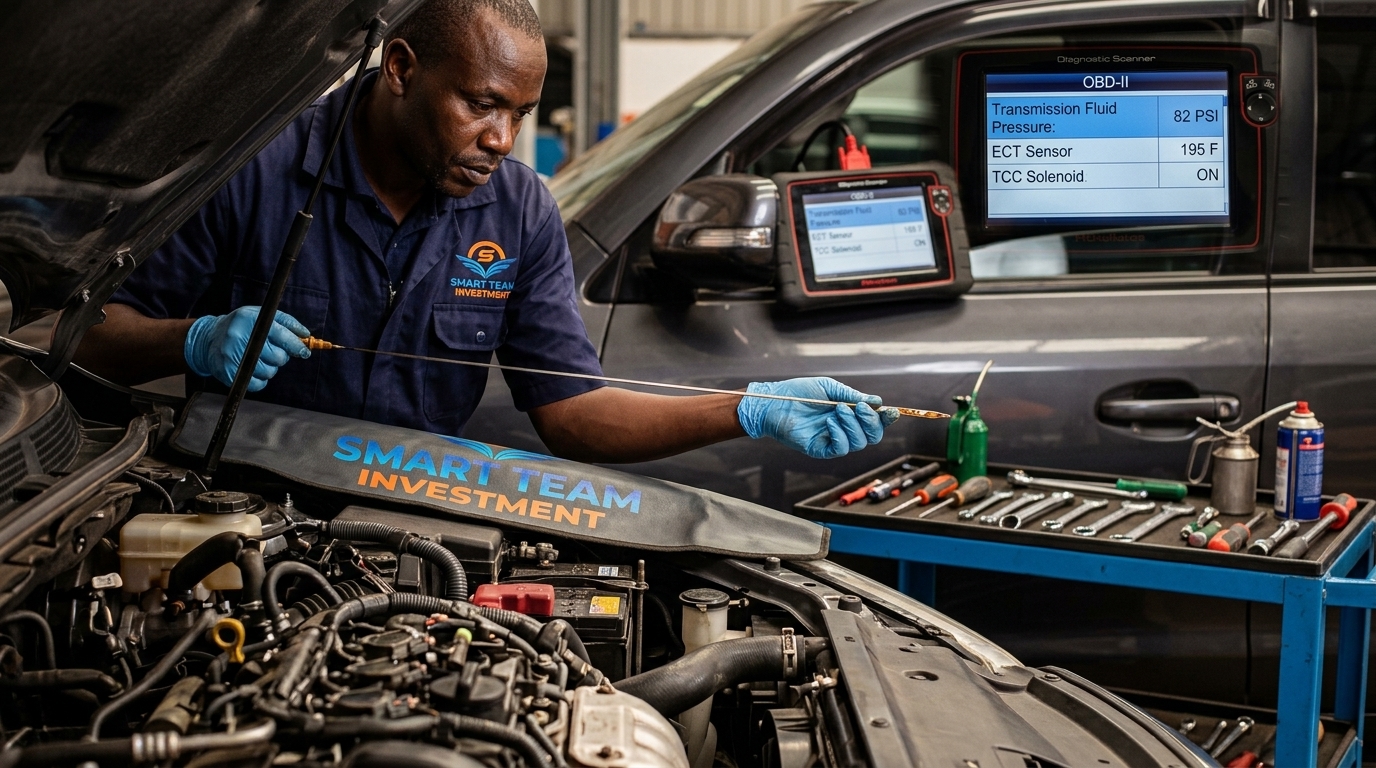
Interactive Tool: Pre-Purchase Inspection Cost & Risk Calculator
Pre-Purchase Inspection Cost & Risk Calculator
Estimate hidden repair risk before you pay the deposit
Hidden Fault Risk
50%
40% imports hidden faults
Potential Hidden Liability
KSh 59,150 – KSh 114,400
Cooling/suspension/CVT/rust
Inspection Cost
KSh 3,500
AA Kenya / mobile mechanic
Net Protection Value
KSh 83,275
Saved vs. KSh 200k lottery
40% of used cars carry faults KSh 50k–200k. A bank valuer checks OMV, not the engine for a week. See valuation limits vs mechanical audit.
Claim Your Free Toyota Vitz Pre-Purchase Inspection & CVT Health Cheat Sheet
Do not visit a yard, book a test drive or send an M-Pesa deposit until this is on your phone.
The Toyota Vitz Pre-Purchase Inspection & CVT Health Cheat Sheet
The one-page field reference for First-Time Kenyan Car Buyers, Salaried Professionals & Urban Commuters — price bands, deposit maths and the checks to run before you pay.
What you will discover inside
- ✓1.0L (1KR-FE) vs 1.3L (1NR-FE) vs 1.5L Hybrid: Fuel economy truth, hill-climbing power on Limuru road, and engine longevity
- ✓The Low-Speed CVT Bearing Whine Test: 10-second test drive method to detect worn CVT gearboxes (2010-2015 models) before buying
- ✓Front Shock & Bushing Wear Scorecard: How to spot worn suspension components that cause front-end knocking on Nairobi potholes
- ✓Japanese Auction Sheet Mileage Verification: How to verify true mileage and confirm Grade 4.0+ non-accident status
- ✓Maintenance Cost & Spare Parts Availability: Itemized service cost sheet for oil filters, brake pads, spark plugs, and CVT fluid
- ✓1.0L vs 1.3L vs 1.5L Hybrid Real Fuel & Hill-Climbing Truth
Free Download: The Toyota Vitz Pre-Purchase Inspection & CVT Health Cheat Sheet
100% free. Delivered instantly to your email and WhatsApp.
Frequently Asked Questions
Fresh import 2017/2018 1.0L Toyota Vitz models sell for KSh 1,050,000 to KSh 1,180,000, while 1.3L models range from KSh 1,150,000 to KSh 1,280,000.
The 1NR-FE engine requires low-viscosity 0W-20 or 5W-30 full synthetic oil. Using cheap 20W-50 mineral oil clogs VVT-i oil galleys and causes engine knock.
Drive the car for 15 minutes until fully hot, stop on an incline, release the brake, and accelerate gently. Any shudder, slip, or high-pitched whining indicates fluid breakdown.
Always confirm the current requirements on the official NTSA portal before you pay anyone, and keep the payment receipt.
The Bottom Line & Disclaimer
Claim your free VITZ AUDIT audit on WhatsApp — a 60-second check can save you KSh 150,000+ in overpricing, hidden faults or an unpaid logbook loan.
*Disclaimer: This guide is for educational purposes and does not constitute formal legal, taxation or financial advice. Prices, EPRA fuel rates and bank terms reflect 2026 Kenyan market conditions and may change. Always confirm the chassis number, logbook status and an independent mechanical inspection before purchase.*